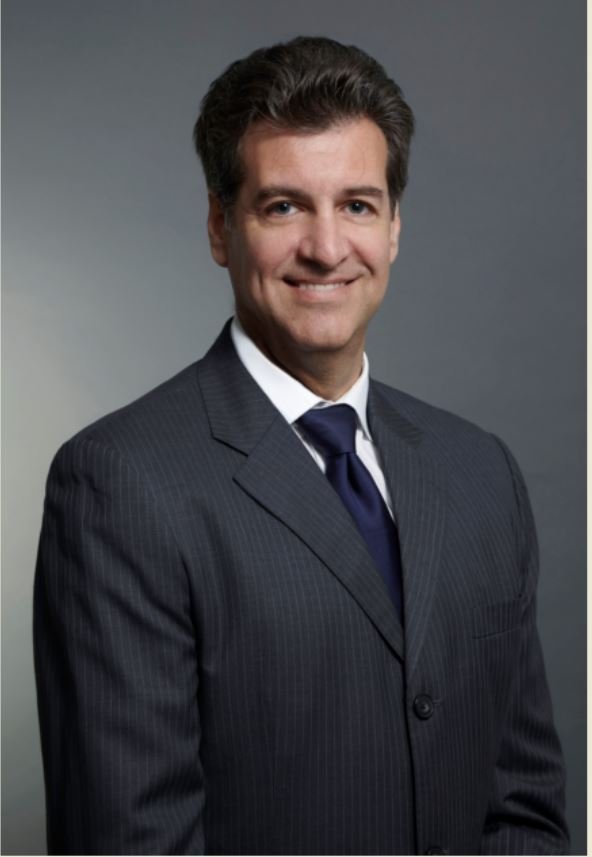
Meet Alex Capri
Author, Public Speaker, Professor, Board Advisor
Alex Capri teaches in the Business School at the National University of Singapore (NUS), and in the NUS Lee Kuan Yew School of Public Policy.
He has worked extensively in Asia for two decades, where he was a partner and the regional leader of KPMG's Asia Trade & Customs Practice, based in both Hong Kong and Singapore. Prior to his consulting career, he was a trade specialist in the U.S. Treasury Department, and the U.S. Customs Service.
Alex’s writing has appeared in Forbes Asia and Nikkei Asia, and he is quoted frequently in The Economist, the Financial Times, the Wall Street Journal, Barron’s, CNN Business, the South China Morning Post and other mainstream global news establishments. Alex is a regular panellist for the World Economic Forum (WEF).
He is a frequent guest on global television and radio networks including Bloomberg, BBC, CNBC, CNN, Channel News Asia, Al Jazeera, Deutsche Welle News and others.
Known for his expertise in supply chains, global trade, technology and geopolitics, he is the author of the best-selling book, Techno-Nationalism: How it’s Reshaping Trade, Geopolitics and Society (Wiley).
Alex is the Managing Director of CAPA INT’L, a Singapore-based firm that conducts training and research and advises multinational companies and governments on geo-economics and trade. He provides guidance to clients on cross-border projects throughout Asia and the Indo-Pacific, the Middle East, Europe and the Americas.
Alex holds an M.Sc. from the London School of Economics, in International Political Economy and a B.Sc. in International Relations, from the University of Southern California.
Media Interviews

Alex Capri, senior lecturer at NUS Business School, tells CNA’s Asia Now that having a resilient supply chain is “super important” for big tech firms as global supply chains became more vulnerable to geopolitical pressures. He also shares his thoughts on the significance of Huawei’s AI chip roadmap.

CNA Explains: How Nvidia grew to become the world's No 1 company
CNA Explains: How Nvidia grew to become the world's No 1 company

CNA Explains: Nvidia’s growth amid challenges and disruptions
CNA Explains: Nvidia’s growth amid challenges and disruptions

United States President Donald Trump signed an executive order modifying the reciprocal tariff rates for some countries, the White House said on Thursday (Jul 31). The reciprocal tariffs range from 10 per cent to 41 per cent and will be implemented on Aug 7. Alex Capri, senior lecturer at the National University of Singapore Business School, shares with CNA's Asia First his assessment of the trade deals struck by Asian nations with the US.
United States President Donald Trump signed an executive order modifying the reciprocal tariff rates for some countries, the White House said on Thursday (Jul 31). The reciprocal tariffs range from 10 per cent to 41 per cent and will be implemented on Aug 7. Alex Capri, senior lecturer at the National University of Singapore Business School, shares with CNA's Asia First his assessment of the trade deals struck by Asian nations with the US.

The global tech landscape is in constant flux, but few areas are as critical and complex as the techno-nationalist competition between the US and China. This morning, I discussed these intricate dynamics with Haidi Stroud-Watts and Paul Allen on Bloomberg News, diving deep into the latest news about Washington’s roll-back on export controls of Nvidia’s H20 chips, the chip war and the quest for technological self-sufficiency.
The global tech landscape is in constant flux, but few areas are as critical and complex as the techno-nationalist competition between the US and China. This morning, I discussed these intricate dynamics with Haidi Stroud-Watts and Paul Allen on Bloomberg News, diving deep into the latest news about Washington’s roll-back on export controls of Nvidia’s H20 chips, the chip war and the quest for technological self-sufficiency.
This is Part 1 of a 3-part series, with more insights in parts 2 & 3. Here are some key takeaways from our conversation:
1️⃣ The Techno-Nationalist Divide: The competition for technological dominance between the US and China is shaping global dependencies, from rare earths to critical minerals. 2️⃣ Chip Dependencies and Quid Pro Quo: While China has an insatiable appetite for chips, there's a strategic interplay. Some believe creating Chinese dependency on US-designed chips could hinder their self-sufficiency efforts, though broad technological denial is not going to work in the long run.
3️⃣ China's AI Ambitions & Legacy Chips: China hugely benefits from access to chips like the H20 for its burgeoning AI sector. While these may not be the most advanced chips , they are crucial stepping stones for China.
4️⃣ The Future of Chip Manufacturing: We need to clearly distinguish between advanced and legacy chips. Advanced chips are impossibly hard to make and to catch up in. However, China is poised to capture more of the legacy chip market, which are very significant portion of the market for lucrative industries.
5️⃣ No Return to "One Big Happy Trading Family": As I noted, "anybody who thinks that this is sort of a return to one big happy trading family, I think is going to be mistaken". The path to self-sufficiency for China, even in legacy chips, still involves reliance on foreign technology. Check out Part 2 & 3 on export controls and rare earths!

Discover how the new US–China trade framework moves beyond tariffs to focus on critical supply chains. Alex Capri highlights why rare earths, critical minerals and semiconductors now drive negotiations, how resource nationalism is reshaping trade, and why both nations are racing to reshore these value chains and what that means for countries without such resources.

In this episode of the ECIPE Global Economy Podcast, Fredrik Erixon speaks with Alex Capri about his new book Techno-Nationalism: How It Is Reshaping Trade, Geopolitics, and Society. The conversation explores the growing entanglement of technology, national security, and economic policy, focusing on key elements such as supply chain weaponisation, strategic decoupling, and tech diplomacy.
Techo-Nationalism
How it’s reshaping Trade, Geopolitics and Society

Discover the global tech race reshaping our world.
From AI to semiconductors, TECHNO-Nationalism reveals how the battle for technological dominance is transforming trade, security, and the international order.
Find out why this essential read is capturing the attention of business leaders, policymakers, and global strategists alike.
Podcasts
Recent Publications

The US and China are locked in a dangerous AI arms race neither can afford to lose. With the superpowers prioritising national interest over safety, the burden of building global AI governance now falls on middle powers like Europe, Australia and Canada.

Despite rising geopolitical tensions, U.S.–China trade and investment hit record highs in 2022, revealing a paradox: while strategic tech sectors like semiconductors and AI are rapidly decoupling, broader commercial ties remain strong. Wall Street continues to invest heavily, but much of this activity falls into a grey zone of dual-use technologies, increasingly vulnerable to U.S. export controls. As techno-nationalist competition escalates, more American firms may face disruptions in China. New outbound investment rules and sanctions could deepen financial and tech sector decoupling. The illusion of economic interdependence is fading, and a broader U.S.–China decoupling appears inevitable.

Australia is well-positioned to launch its own national semiconductor fabrication initiative, focusing on legacy chip technologies with lower barriers to entry. Leveraging its research institutions, skilled workforce, and strategic ties to the US and its allies, Australia could integrate into global semiconductor supply chains. Recent global shifts — including stricter US export controls on China, over US$200 billion in semiconductor investment through CHIPS Acts, and proposed AUKUS-related trade regulation reforms, all create new opportunities. By aligning national security, diplomacy, and economic policy, Australia can play a meaningful role in the global chip race and strengthen its technological sovereignty.
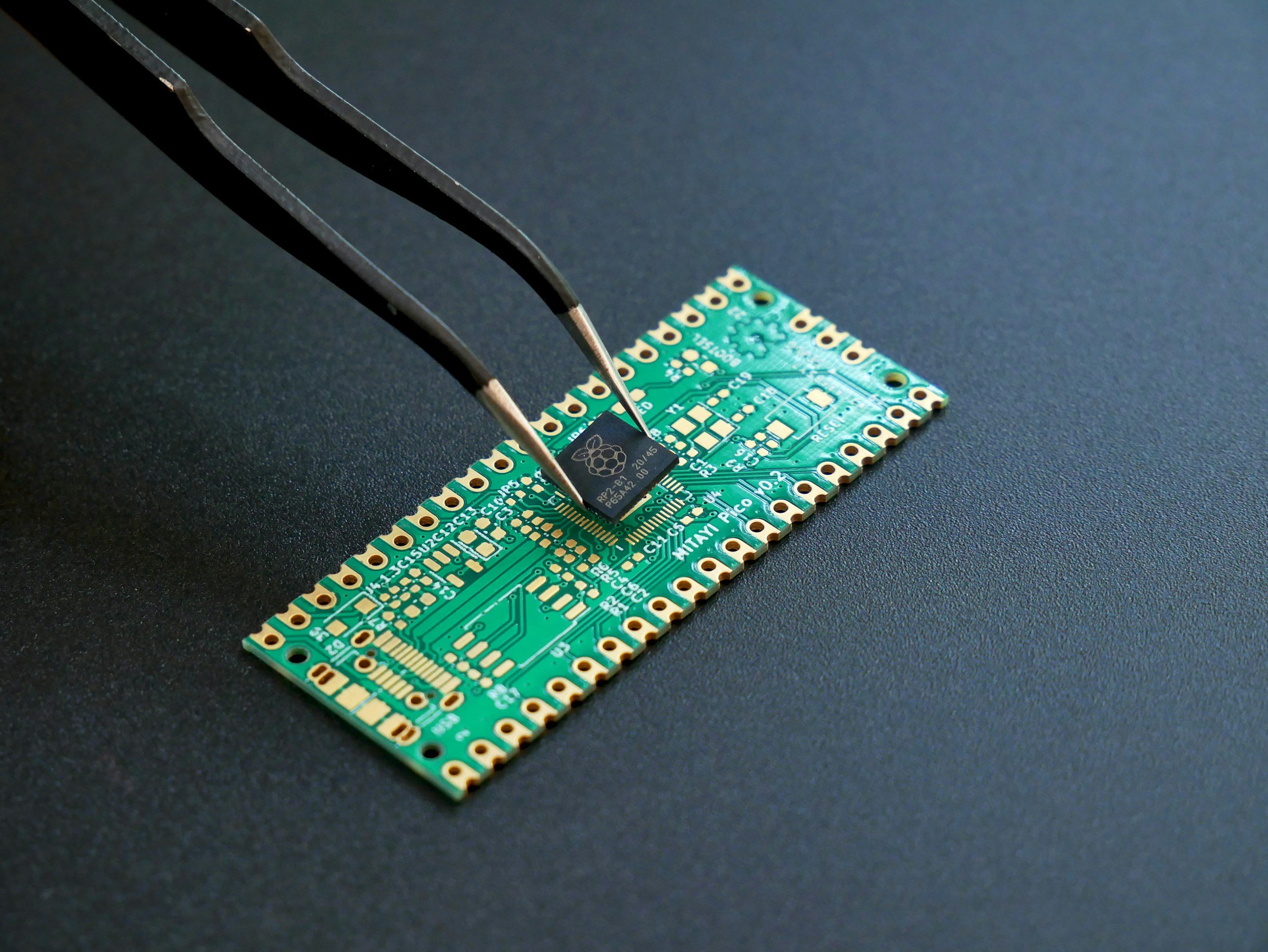
The article examines the pivotal role of Taiwan Semiconductor Manufacturing Company (TSMC) in the global semiconductor industry and its geopolitical implications. As the world's leading chipmaker, TSMC's dominance underscores Taiwan's strategic importance, especially amid U.S.-China tensions. The piece highlights the challenges of over-reliance on a single region for critical technology and discusses efforts by the U.S. and allies to diversify semiconductor manufacturing. It emphasizes the need for a balanced approach to globalization, where supply chain resilience and geopolitical stability are prioritized alongside economic efficiency.
Recently Featured
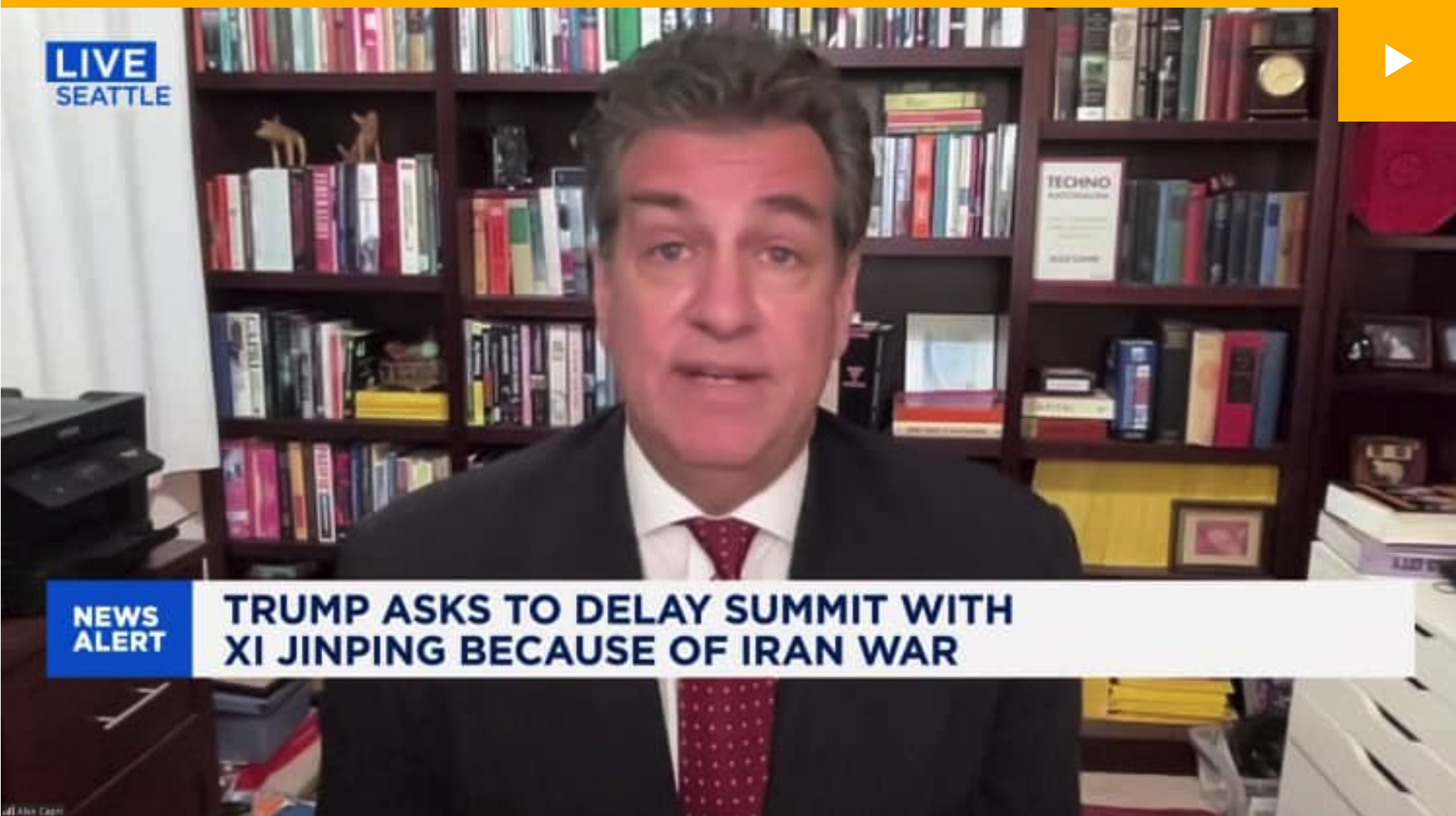

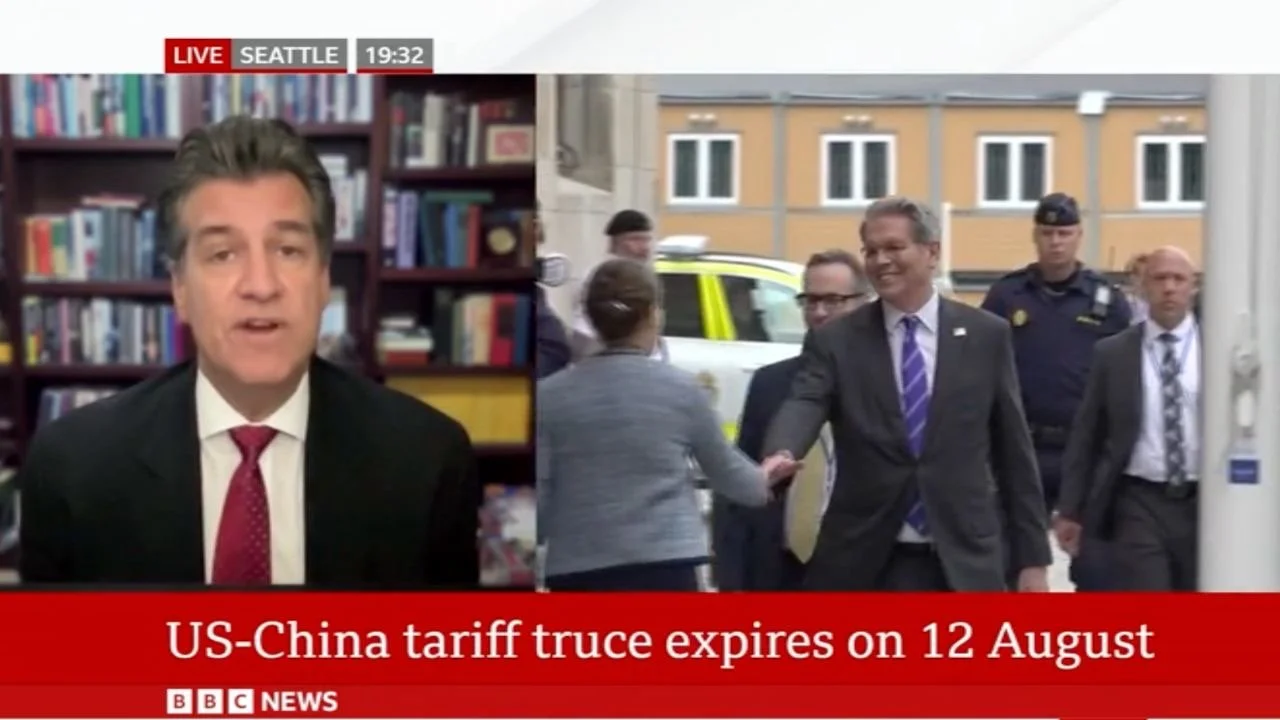


Trump’s decision to slap punitive duties on countries that transshipped Chinese goods will also be a huge opportunity for the supply chain management industry, according to Alex Capri, senior lecturer at the National University of Singapore’s business school.
“The new Trump tariffs will require importers to have reliable traceability practices to spare them from these arbitrary ‘transshipment tariffs’. This will result in a burgeoning services sector around the necessary technologies and verification processes,” he added.

Countries will need time to implement Trump's demands, which, going by the letters, are not entirely clear, said business lecturer Alex Capri from the National University of Singapore.
For instance, transhipped goods have been specifically levied as part of Vietnam's trade deal with the US. But it is unclear whether that applies to finished goods, or to all imported components.
Either way, it will involve far more sophisticated technology to keep track of supply chains, Mr Capri said.
"It's going to be a slow, long-term and evolving process involving many third parties, tech companies and logistic partners."


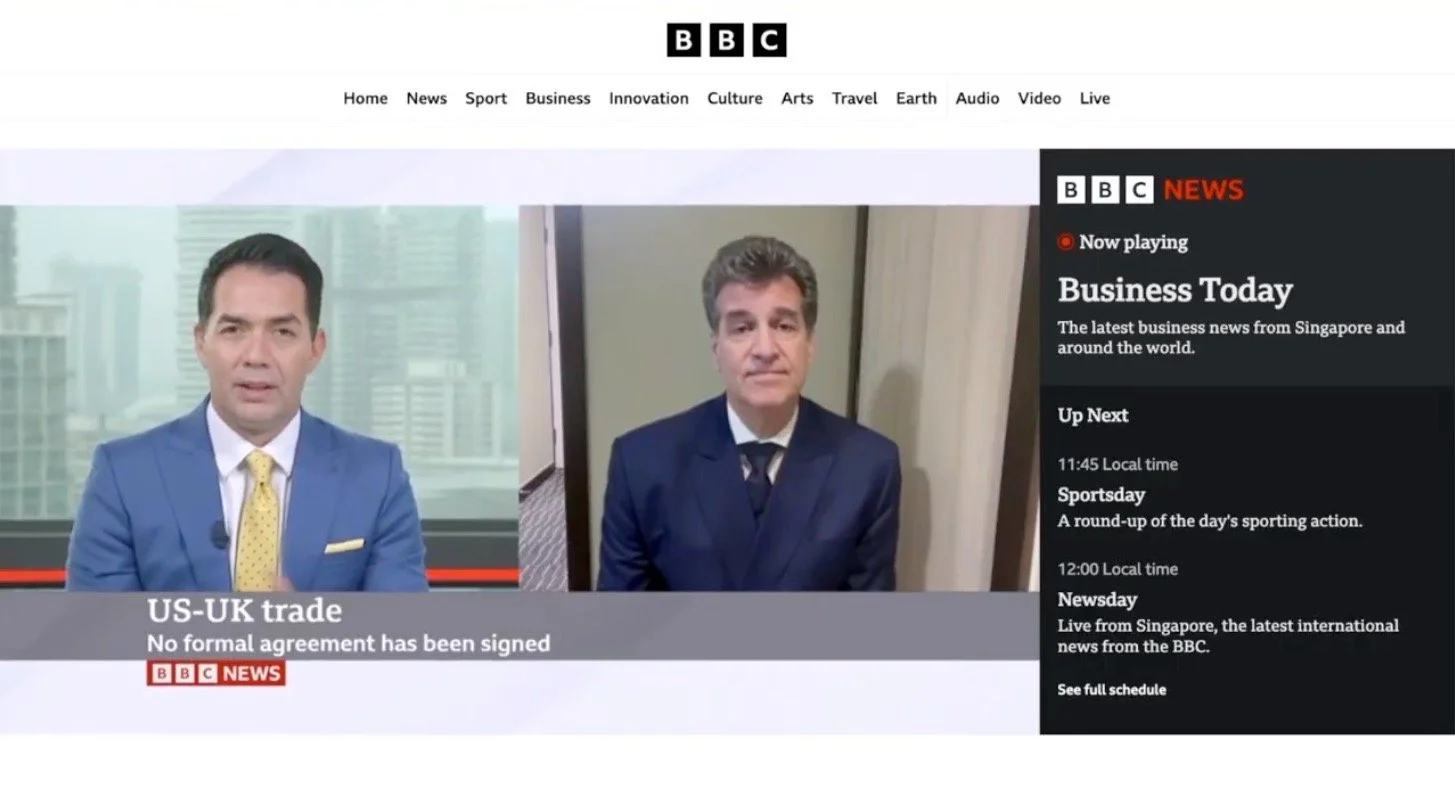
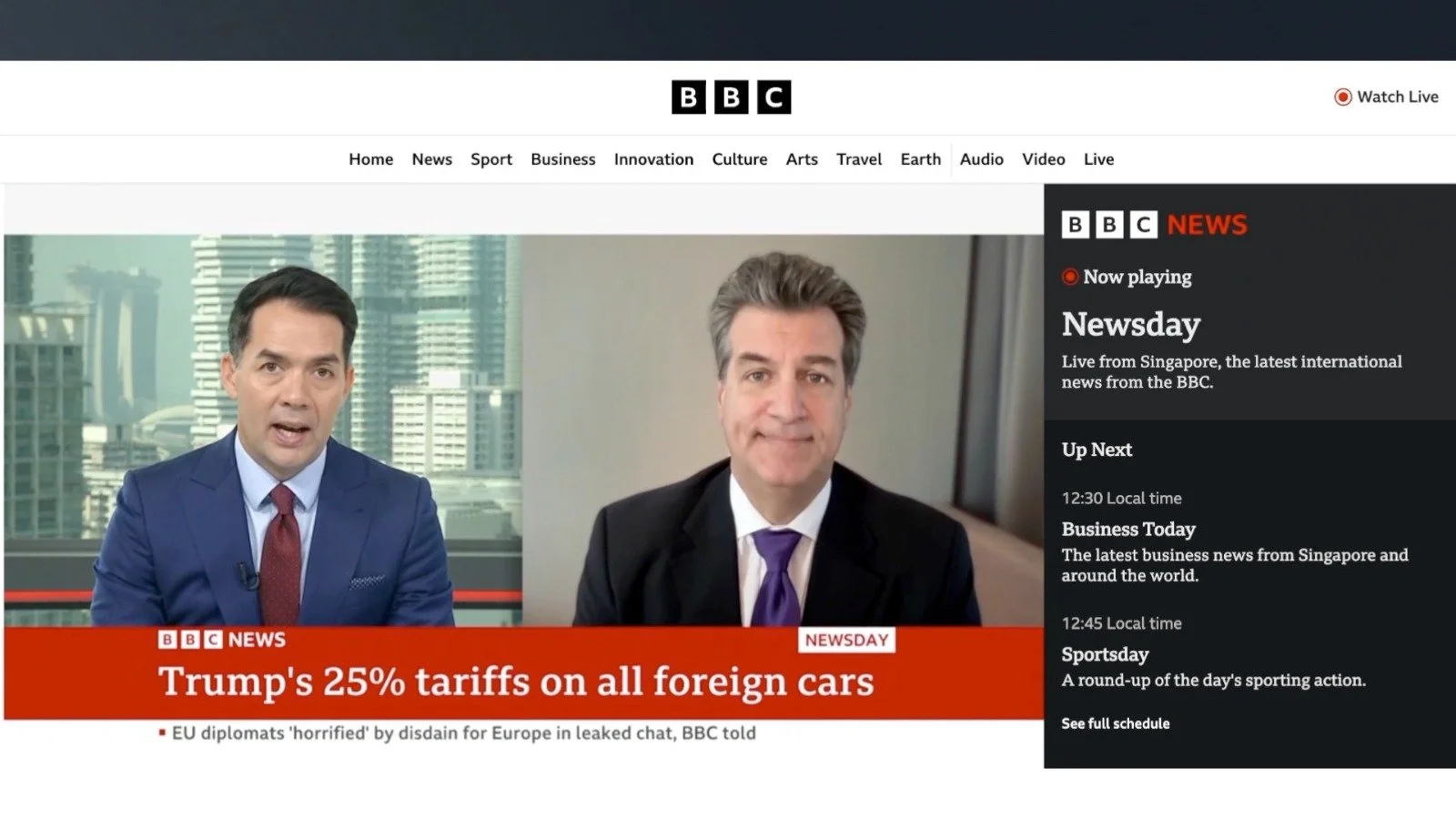
The US has opened a new unfair-trade probe into Singapore and several other economies. It comes as Washington tries to rebuild tariff pressure after the Supreme Court struck down much of President Donald Trump's tariff programme last month. What could the probe mean for Singapore's businesses, trade outlook and the wider economy? And would it bring fresh pressure on exporters and global supply chains? CNA spoke with Mr Kevin Chen, associate research fellow of the US Programme at the S Rajaratnam School of International Studies, and Mr Alex Capri, a former US Treasury Department official and current senior lecturer at the NUS School of Business.
Watch the video here: https://www.youtube.com/watch?v=qv1tp5Inewk